The relentless march of technology continues to reshape our world, driving innovation, connectivity, and progress. As we stand on the brink of a new era, several groundbreaking technologies are poised to redefine the way we live, work, and interact. In this article, we explore the top 10 upcoming technologies that are set to change everything, ushering in a future that was once thought to be the realm of science fiction.
1. Quantum Computing: Unleashing Unprecedented Processing Power
At the forefront of technological advancement, quantum computing promises a quantum leap in processing power. Leveraging the principles of quantum mechanics, these computers have the potential to solve complex problems at speeds unimaginable with traditional computers. From optimizing supply chains to drug discovery, quantum computing could revolutionize various industries.
2. 5G and Beyond: Connecting a Hyperconnected World
The rollout of 5G networks is already transforming the way we access and share information. With lightning-fast speeds and ultra-low latency, 5G enables real-time communication and paves the way for the Internet of Things (IoT) to flourish. The seamless connectivity and increased bandwidth will enable innovations like autonomous vehicles, smart cities, and immersive augmented reality experiences.
3. Artificial Intelligence and Machine Learning: Augmenting Human Potential
AI and machine learning are evolving at an unprecedented pace, enhancing automation, data analysis, and decision-making across industries. From healthcare diagnosis to personalized marketing, AI-powered systems are set to revolutionize how we approach complex challenges and make informed choices.
4. CRISPR-Cas9: Redefining Genetic Engineering
CRISPR-Cas9 technology has opened the door to precise genetic editing, allowing scientists to modify DNA with remarkable accuracy. This breakthrough holds immense potential for treating genetic disorders, engineering crops for greater sustainability, and even tackling some of humanity’s most pressing challenges, such as climate change.
5. Renewable Energy Innovations: Powering a Sustainable Future
Advancements in renewable energy technologies, such as solar panels, wind turbines, and energy storage solutions, are propelling us toward a greener future. These technologies have the potential to mitigate the effects of climate change, reduce carbon emissions, and reshape our global energy landscape.
6. Blockchain and Distributed Ledger Technology: Revolutionizing Trust and Transparency
Blockchain technology is disrupting traditional systems of trust and verification. Its decentralized nature ensures secure, tamper-proof records and transactions, with applications ranging from supply chain management to secure digital identities and transparent voting systems.
7. Biotechnology and Personalized Medicine: Tailoring Healthcare to Individuals
The convergence of biotechnology, genomics, and data analytics is driving the development of personalized medicine. By analyzing an individual’s genetic makeup, medical history, and lifestyle, healthcare providers can offer targeted treatments and therapies, ushering in an era of more effective and precise healthcare interventions.
8. Virtual and Augmented Reality: Transforming the Way We Experience the World
Virtual reality (VR) and augmented reality (AR) technologies are blurring the lines between the physical and digital worlds. From immersive gaming experiences to revolutionary applications in education, training, and remote collaboration, these technologies are changing the way we interact and engage with information.
9. Neurotechnology: Exploring the Frontiers of Brain-Machine Interface
Neurotechnology is unlocking the potential of direct communication between the brain and external devices. From restoring mobility for individuals with paralysis to enhancing cognitive abilities, these interfaces hold promise for a wide range of medical and non-medical applications.
10. Space Tourism and Colonization: Expanding Our Horizons Beyond Earth
Advancements in space travel technology are making the concept of space tourism and colonization closer to reality. Private companies are developing reusable rockets, lunar habitats, and even plans for interplanetary exploration, offering a glimpse into a future where humanity’s reach extends beyond our planet.
The future is teeming with transformative possibilities, driven by the rapid evolution of these upcoming technologies. From the realms of quantum computing and artificial intelligence to the promise of renewable energy and personalized medicine, these innovations are poised to reshape industries, societies, and individual lives. As we navigate this era of unprecedented change, embracing these technologies responsibly and ethically will be crucial in harnessing their potential for the betterment of humanity. As we stand on the cusp of this technological revolution, we have the opportunity to shape a future that defies imagination and embraces limitless possibilities.
Mastering the UPSC Prelims: A Comprehensive Guide to Qualification
The Union Public Service Commission (UPSC) Preliminary Examination, often referred to as UPSC Prelims, is the first step towards realizing the dream of becoming a civil servant in India. Known for its rigorous and challenging nature, the Prelims exam demands meticulous preparation and a strategic approach. In this article, we will delve into the essential steps to qualify the UPSC Prelims, providing aspiring candidates with a roadmap to success.
Step 1: Understand the Exam Pattern and Syllabus
The foundation of any successful strategy lies in a clear understanding of the exam pattern and syllabus. The UPSC Prelims consists of two papers: General Studies Paper-I and General Studies Paper-II (CSAT). Paper-I comprises multiple-choice questions (MCQs) covering a wide range of subjects, while Paper-II tests aptitude and reasoning skills. Candidates must study the syllabus thoroughly and create a study plan that aligns with the exam pattern.
Step 2: Comprehensive Study Material Selection
Selecting the right study material is crucial for effective preparation. Candidates should choose authoritative textbooks, reference materials, and UPSC-specific resources that cover each topic comprehensively. Online platforms, coaching institutes, and previous years’ question papers can also provide valuable insights into the exam’s trend and focus areas.
Step 3: Create a Well-Structured Study Plan
A well-structured study plan is the backbone of successful UPSC preparation. Allocate dedicated time slots for each subject, topic, and revision. Ensure a balanced approach, covering all subjects with equal attention. Regular revisions, practice tests, and mock exams should be integrated into the plan to gauge progress and identify areas of improvement.
Step 4: In-Depth Study of Current Affairs
Current affairs play a pivotal role in the UPSC Prelims, with a significant portion of questions focusing on national and international events. Stay updated with newspapers, magazines, and online resources to understand contemporary issues, government policies, and global developments. Integrating current affairs into your study routine will enhance your overall knowledge and analytical abilities.
Step 5: Effective Time Management
Time management is a critical skill for UPSC aspirants. Develop efficient study habits, break down complex topics into manageable portions, and practice solving MCQs within stipulated time frames. Simulating exam conditions during practice tests will help improve speed and accuracy, ensuring you complete the paper within the allocated time on the exam day.
Step 6: Focus on Conceptual Clarity
Rather than rote learning, focus on gaining conceptual clarity. Understand the underlying principles, theories, and historical contexts of different subjects. This approach will not only aid in answering questions accurately but also help in developing a holistic understanding of the subjects.
Step 7: Regular Revision and Self-Assessment
Revision is the key to retaining information. Periodically revisit your notes, highlighted texts, and summaries to reinforce your understanding. Additionally, engage in self-assessment through mock tests and previous years’ question papers. Analyze your performance, identify weak areas, and fine-tune your preparation strategy accordingly.
Step 8: Develop Strong Analytical and Reasoning Skills
General Studies Paper-II (CSAT) evaluates your aptitude, reasoning, and problem-solving abilities. Practice a wide variety of questions from different topics, including quantitative aptitude, data interpretation, logical reasoning, and decision-making. Strengthening these skills is essential to secure a good score in Paper-II.
Step 9: Mock Tests and Simulated Environment
Mock tests are indispensable for UPSC Prelims preparation. Engage in full-length mock tests to simulate the exam environment and assess your readiness. Analyze your performance, review incorrect answers, and learn from your mistakes. This iterative process will refine your approach and boost your confidence.
Qualifying the UPSC Prelims demands dedication, perseverance, and a well-structured approach. By understanding the exam pattern, focusing on comprehensive study materials, creating a strategic study plan, staying updated with current affairs, managing time effectively, and honing analytical skills, aspirants can position themselves for success. Remember, the journey towards becoming a civil servant requires consistent effort, adaptability, and continuous improvement. With the right guidance and a determined mindset, aspiring candidates can navigate the UPSC Prelims with confidence and emerge victorious in their pursuit of a distinguished career in public service.
Navigating Change: The Evolving Status of Brahmins in Modern India
The intricate tapestry of India’s social fabric is woven with diverse communities, each contributing to the nation’s rich heritage. Among these groups, Brahmins have historically occupied a significant place, with their contributions spanning across academia, culture, and religion. However, as India undergoes rapid social, economic, and cultural transformations, the status of Brahmins has shifted, leading to concerns about their representation, opportunities, and well-being. In this article, we explore the changing dynamics that have led to the perception of Brahmins as minorities in modern India, analyzing their current challenges and highlighting the need for balanced discourse.
Historical Significance of Brahmins
Brahmins, traditionally considered custodians of knowledge and spirituality, have played pivotal roles in shaping India’s intellectual and cultural landscape. With a history that spans thousands of years, they have contributed to disciplines ranging from philosophy and art to astrology and literature. Their role as educators, priests, and scholars has been integral to the country’s development and cultural continuity.
Evolving Demographics and Representation
In recent times, concerns have emerged about the changing demographic landscape and representation of Brahmins. While concrete figures on their numbers are often debated due to the complexities of India’s caste system, various studies suggest that Brahmins constitute a minority of the population. According to the 2011 Census, Brahmins accounted for about 5.96% of India’s population. This numerical minority has led to discussions about their social and political influence.
Mental Oppression and Stereotyping
It is essential to acknowledge that the perception of Brahmins as mentally oppressed and treated wrongly is a multifaceted issue. Brahmins have historically been associated with privilege, leading to stereotypes and assumptions about their socioeconomic status. However, this generalization overlooks the significant number of Brahmins who face economic challenges and limited opportunities.
Furthermore, instances of reverse discrimination have been reported, wherein Brahmins have faced barriers in education and employment due to their caste identity. Affirmative action policies, while crucial for addressing historical inequalities, have also resulted in complexities that affect Brahmins, particularly in regions where they are underrepresented.
Educational and Occupational Challenges
While Brahmins have historically been associated with academic excellence, recent trends indicate disparities in educational attainment and occupational opportunities. Economic shifts, globalization, and changing career preferences have led to a decline in traditional professions associated with Brahmins, such as priesthood and teaching. The transformation of India’s economy has necessitated adaptability, resulting in challenges for individuals within this community.
Addressing Concerns and Fostering Inclusivity
It is important to approach these concerns with sensitivity and a commitment to inclusivity. Advocating for a fair and equitable society does not entail undermining any particular community’s rights. Rather, it involves recognizing the unique struggles of different groups and working collaboratively to create opportunities for all.
1. **Education Reforms**: Initiatives should be taken to ensure that Brahmins, along with other marginalized groups, have access to quality education and opportunities. Scholarships, vocational training, and career counseling can help address disparities in education and employment.
2. **Deconstructing Stereotypes**: Society must move beyond stereotypes and recognize the diversity within Brahmin communities. Promoting dialogue and understanding can contribute to dispelling misconceptions and fostering empathy.
3. **Support Networks**: Creating support networks for Brahmins facing economic challenges can help mitigate their difficulties. These networks can provide mentorship, counseling, and resources to empower individuals to overcome obstacles.
4. **Promoting Cultural Preservation**: Acknowledging and celebrating the contributions of Brahmins to India’s cultural heritage can help promote a sense of identity and pride within the community.
The evolving status of Brahmins in modern India is a complex issue that requires a nuanced understanding of historical context, socio-economic shifts, and cultural dynamics. While Brahmins have historically occupied influential roles, changes in demographics, education, and employment have led to concerns about their representation and well-being. Addressing these concerns necessitates a commitment to inclusivity, support, and dialogue. As India continues on its journey of progress, it is imperative to ensure that all communities, including Brahmins, are given the opportunity to thrive and contribute to the nation’s diverse tapestry.
The Role of Nationalism in Nation Building: Forging Unity and Identity
Nationalism, a fervent sense of loyalty and devotion to one’s nation, has played a crucial role in shaping the course of history, politics, and societies across the globe. It is a force that binds individuals together, fosters a shared identity, and propels the process of nation-building. In this article, we delve into the significance of nationalism in nation building, examining its historical origins, its impact on unity and identity, and its implications for modern societies.
Historical Context
The roots of nationalism can be traced back to the 18th and 19th centuries, when Europe witnessed a surge of nationalistic sentiments fueled by the Enlightenment and industrialization. As feudal structures crumbled and societies underwent rapid transformations, people sought to define their identity beyond feudal loyalties. Nationalism emerged as a potent force in the struggles for independence, with figures like Giuseppe Garibaldi and Simón Bolívar rallying their compatriots around the idea of a united nation-state.
Importance in Nation Building
1. **Unity Amid Diversity**: Nationalism has the power to transcend ethnic, linguistic, and religious differences, uniting diverse populations under a common umbrella. For instance, India’s diverse population finds a shared identity in their nationalism, transcending the countless languages and ethnicities present within the country.
2. **Political Stability**: A strong sense of nationalism can contribute to political stability by fostering a shared commitment to the nation’s institutions and values. This stability is crucial for effective governance and sustainable development.
3. **Economic Progress**: Nationalism can also play a pivotal role in driving economic progress. A shared national identity can lead to increased innovation, entrepreneurship, and investment in critical sectors.
4. **Cultural Resilience**: Nationalism serves as a bulwark against cultural assimilation or domination by external forces. The revitalization of the Welsh language and culture exemplifies the potency of nationalism in preserving heritage.
5. **Nationhood and Sovereignty**: Nationalism has been a driving force behind movements for independence and decolonization. The collapse of the Soviet Union and the emergence of new nation-states exemplify the potency of nationalism in reshaping geopolitical landscapes.
Case Studies
1. **India**: India’s struggle for independence was deeply rooted in nationalism, led by figures such as Mahatma Gandhi and Jawaharlal Nehru. Despite its incredible diversity, India’s shared nationalism played a pivotal role in uniting the country against colonial rule and establishing a democratic nation-state.
2. **United States**: The American Revolution and the subsequent formation of the United States were driven by a sense of nationalism, as colonists sought to establish a nation built on principles of liberty and self-governance.
3. **South Africa**: Nelson Mandela and the African National Congress (ANC) fought against apartheid, using nationalism as a unifying force to dismantle institutionalized racial segregation and build a democratic and inclusive nation.
4. **Ireland**: The Irish struggle for independence from British rule was characterized by strong nationalist sentiment, leading to the establishment of the Republic of Ireland and Northern Ireland.
Challenges and Pitfalls
While nationalism can be a powerful tool for nation building, it is not without its challenges and potential pitfalls. Excessive nationalism can lead to exclusionary tendencies and hostility towards other nations or minority groups. The rise of ultra-nationalist movements has raised concerns about the erosion of international cooperation and the potential for isolationism.
In the tapestry of human history, nationalism has woven threads of unity, identity, and resilience, shaping the destiny of nations and peoples. Its importance in nation building cannot be underestimated, as it provides the foundation upon which societies are built and progress is achieved. While nationalism has the potential to galvanize collective action and steer nations towards prosperity, it must be tempered with a sense of responsibility, inclusivity, and an appreciation for the diversity that enriches our global community. As we navigate the complexities of the modern world, embracing a nuanced and balanced approach to nationalism can ensure that it remains a force for good in the ongoing journey of nation building.
Bharatanatyam: The Dance of Divine Union with Yogic Chakras
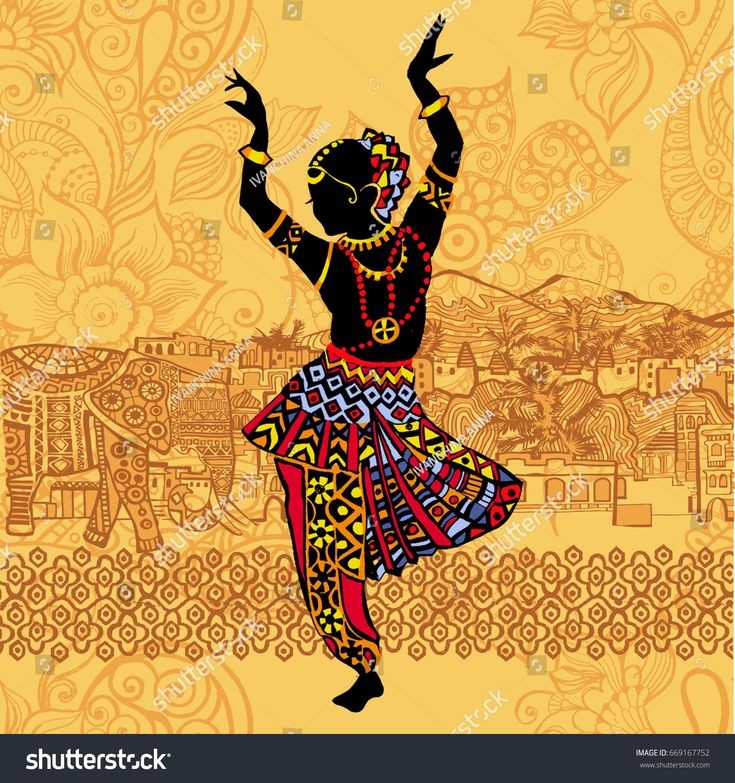
Bharatanatyam, a captivating form of Indian classical dance, is more than just graceful movements and intricate expressions. It is a profound art that is deeply rooted in spirituality, seamlessly merging with the ancient yogic philosophy of chakras. This intricate dance form has the power to awaken and align the energies within us, facilitating a spiritual journey that transcends the physical realm. In this article, we will delve into the captivating world of Bharatanatyam and explore its spiritual significance through the lens of yogic chakras.
Origins and Essence of Bharatanatyam
Bharatanatyam traces its origins back to the ancient temples of South India, where it was not only a form of artistic expression but also a means of devotion and worship. The dance form is characterized by its elaborate footwork, expressive gestures, intricate postures, and soulful expressions. With its roots in the Natya Shastra, an ancient Indian treatise on the performing arts, Bharatanatyam has evolved over centuries, incorporating elements of mythology, spirituality, and culture.
The Concept of Yogic Chakras
Yogic philosophy acknowledges the existence of chakras, which are energy centers within the human body. These chakras are believed to be interconnected and aligned along the spine, each corresponding to different aspects of physical, emotional, and spiritual well-being. When these chakras are balanced and activated, they facilitate a harmonious flow of energy, enabling individuals to achieve a state of heightened awareness and spiritual enlightenment.
Bharatanatyam as a Journey through Chakras
Bharatanatyam, with its intricate movements and expressive storytelling, offers a unique opportunity to explore and stimulate the chakras. Each aspect of the dance corresponds to a specific chakra, allowing dancers and viewers to embark on a spiritual journey through the subtle energy centers of the body.
1. Muladhara (Root) Chakra: The dance begins with the grounding energy of the Muladhara chakra, located at the base of the spine. The rhythmic footwork and steady postures in Bharatanatyam help establish a sense of stability, connecting the dancer with the earth and channeling their energy upward.
2. Swadhisthana (Sacral) Chakra: As the dance progresses, the fluid hip movements and graceful expressions awaken the Swadhisthana chakra, which governs creativity and sensuality. Bharatanatyam’s ability to evoke emotions and tell intricate stories taps into this chakra’s energy.
3. Manipura (Solar Plexus) Chakra: The agile and precise movements of the torso in Bharatanatyam stimulate the Manipura chakra, associated with confidence and personal power. Dancers exude a radiant energy, igniting this chakra and enhancing their self-assurance.
4. Anahata (Heart) Chakra: The expressive hand gestures and emotive facial expressions in Bharatanatyam open the Anahata chakra, which represents love and compassion. As dancers portray various characters and emotions, they evoke a deep connection with the heart center.
5. Vishuddha (Throat) Chakra: The intricate mudras (hand gestures) and articulate neck movements in Bharatanatyam activate the Vishuddha chakra, facilitating clear communication and self-expression. The dancer’s ability to convey stories and emotions through movement aligns with this chakra’s attributes.
6. Ajna (Third Eye) Chakra: The focused gaze and concentration required in Bharatanatyam work in harmony with the Ajna chakra, promoting intuition and inner wisdom. Dancers tap into their inner realms, transcending the physical and entering a meditative state.
7. Sahasrara (Crown) Chakra: The culmination of the dance, marked by graceful movements and expressions, aligns with the Sahasrara chakra, symbolizing spiritual connection and enlightenment. Bharatanatyam becomes a transcendent experience, elevating dancers and audiences to higher states of consciousness.
Bharatanatyam, often referred to as the embodiment of beauty and devotion, transcends the boundaries of art and spirituality. Its intricate movements and expressive storytelling create a bridge between the physical and the metaphysical, guiding us on a journey through the yogic chakras. This dance form serves as a powerful medium for self-discovery, transformation, and spiritual awakening. As we witness or participate in the mesmerizing world of Bharatanatyam, we are reminded of the profound connection between body, mind, and soul, and the potential for divine union through the harmonious alignment of chakras.
 Bharat Chronicles - Navigating Politics, Heritage and Beyond