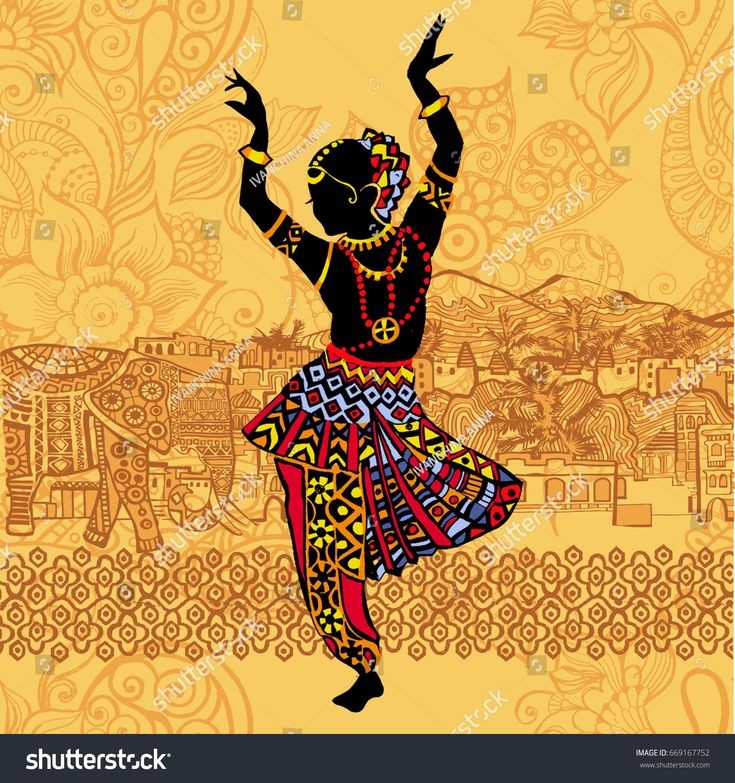
Bharatanatyam, a captivating form of Indian classical dance, is more than just graceful movements and intricate expressions. It is a profound art that is deeply rooted in spirituality, seamlessly merging with the ancient yogic philosophy of chakras. This intricate dance form has the power to awaken and align the energies within us, facilitating a spiritual journey that transcends the physical realm. In this article, we will delve into the captivating world of Bharatanatyam and explore its spiritual significance through the lens of yogic chakras.
Origins and Essence of Bharatanatyam
Bharatanatyam traces its origins back to the ancient temples of South India, where it was not only a form of artistic expression but also a means of devotion and worship. The dance form is characterized by its elaborate footwork, expressive gestures, intricate postures, and soulful expressions. With its roots in the Natya Shastra, an ancient Indian treatise on the performing arts, Bharatanatyam has evolved over centuries, incorporating elements of mythology, spirituality, and culture.
The Concept of Yogic Chakras
Yogic philosophy acknowledges the existence of chakras, which are energy centers within the human body. These chakras are believed to be interconnected and aligned along the spine, each corresponding to different aspects of physical, emotional, and spiritual well-being. When these chakras are balanced and activated, they facilitate a harmonious flow of energy, enabling individuals to achieve a state of heightened awareness and spiritual enlightenment.
Bharatanatyam as a Journey through Chakras
Bharatanatyam, with its intricate movements and expressive storytelling, offers a unique opportunity to explore and stimulate the chakras. Each aspect of the dance corresponds to a specific chakra, allowing dancers and viewers to embark on a spiritual journey through the subtle energy centers of the body.
1. Muladhara (Root) Chakra: The dance begins with the grounding energy of the Muladhara chakra, located at the base of the spine. The rhythmic footwork and steady postures in Bharatanatyam help establish a sense of stability, connecting the dancer with the earth and channeling their energy upward.
2. Swadhisthana (Sacral) Chakra: As the dance progresses, the fluid hip movements and graceful expressions awaken the Swadhisthana chakra, which governs creativity and sensuality. Bharatanatyam’s ability to evoke emotions and tell intricate stories taps into this chakra’s energy.
3. Manipura (Solar Plexus) Chakra: The agile and precise movements of the torso in Bharatanatyam stimulate the Manipura chakra, associated with confidence and personal power. Dancers exude a radiant energy, igniting this chakra and enhancing their self-assurance.
4. Anahata (Heart) Chakra: The expressive hand gestures and emotive facial expressions in Bharatanatyam open the Anahata chakra, which represents love and compassion. As dancers portray various characters and emotions, they evoke a deep connection with the heart center.
5. Vishuddha (Throat) Chakra: The intricate mudras (hand gestures) and articulate neck movements in Bharatanatyam activate the Vishuddha chakra, facilitating clear communication and self-expression. The dancer’s ability to convey stories and emotions through movement aligns with this chakra’s attributes.
6. Ajna (Third Eye) Chakra: The focused gaze and concentration required in Bharatanatyam work in harmony with the Ajna chakra, promoting intuition and inner wisdom. Dancers tap into their inner realms, transcending the physical and entering a meditative state.
7. Sahasrara (Crown) Chakra: The culmination of the dance, marked by graceful movements and expressions, aligns with the Sahasrara chakra, symbolizing spiritual connection and enlightenment. Bharatanatyam becomes a transcendent experience, elevating dancers and audiences to higher states of consciousness.
Bharatanatyam, often referred to as the embodiment of beauty and devotion, transcends the boundaries of art and spirituality. Its intricate movements and expressive storytelling create a bridge between the physical and the metaphysical, guiding us on a journey through the yogic chakras. This dance form serves as a powerful medium for self-discovery, transformation, and spiritual awakening. As we witness or participate in the mesmerizing world of Bharatanatyam, we are reminded of the profound connection between body, mind, and soul, and the potential for divine union through the harmonious alignment of chakras.

 Bharat Chronicles - Navigating Politics, Heritage and Beyond