Guiding Light: The Profound Significance of a Perfect Spiritual Master


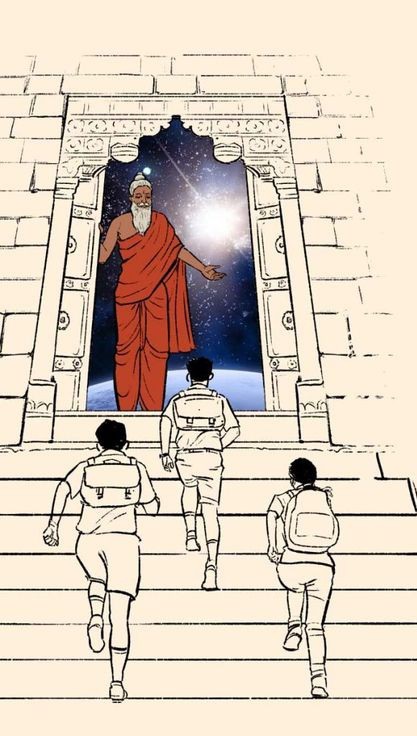
In the grand tapestry of human existence, the quest for spiritual enlightenment and self-realization holds a sacred place. A spiritual journey is a path of self-discovery, seeking to understand the deeper truths that transcend the material world. Within this journey, the presence of a perfect spiritual master assumes a role of paramount importance. Drawing inspiration from both Vedas and Upanishads, as well as the lessons of life, we delve into the significance of a spiritual master and their pivotal role in guiding seekers toward the light of self-awareness.

The Significance of a Spiritual Master:

In the Bhagavad Gita, Lord Krishna imparts the importance of a spiritual master in guiding a seeker on the path of enlightenment. In Chapter 4, Verse 34, he states, “Just try to learn the truth by approaching a spiritual master. Inquire from him submissively and render service unto him. The self-realized soul can impart knowledge unto you because he has seen the truth.”

A perfect spiritual master embodies wisdom, compassion, and a deep connection with the divine. They serve as a beacon of light, illuminating the path of spiritual seekers through their guidance, teachings, and example. Such a master possesses the ability to lead individuals out of the darkness of ignorance and into the radiance of self-realization.

The Relevance from Vedas and Upanishads:

The Vedas and Upanishads, ancient scriptures of wisdom, contain numerous references to the role of a spiritual master. In the Chandogya Upanishad, there is a dialogue between a father and his son that beautifully illustrates the importance of seeking guidance from a realized master. The son, Shvetaketu, is taught by his father that just as a person needs a teacher to learn worldly skills, a spiritual master is essential for understanding the profound truths of existence.

“यत्र यत्र मनो यात्येतत्तत्र तत्र मनो याति” (Yatra Yatra Mano Yati, Tattatra Tatra Mano Yati) – Chandogya Upanishad 7.26.2

This verse emphasizes that wherever the mind goes, knowledge follows. Just as the mind is directed by the seeker, so too is knowledge guided by the spiritual master. The relationship between the two is one of symbiotic growth, with the seeker’s yearning for truth met by the master’s wisdom.

Spiritual Gains Over Materialistic Temptations:

A perfect spiritual master guides seekers toward the attainment of spiritual wisdom and self-realization, rather than indulging in materialistic temptations. In a world often consumed by the pursuit of temporary pleasures, a spiritual master’s guidance redirects attention toward the eternal truths that transcend the transient nature of the physical realm.

The Katha Upanishad, in its dialogue between the young Nachiketa and Lord Yama, reinforces the importance of choosing the path of wisdom over fleeting desires. Nachiketa, having been offered materialistic temptations by Lord Yama, steadfastly seeks knowledge of the ultimate truth.

“नायमात्मा बलहीनेन लभ्यो” (Na Ayam Atma Balahinena Labhyo) – Katha Upanishad 1.2.23

This verse proclaims that the Atman (soul) cannot be attained by the weak-willed or those who are distracted by material pursuits. It can only be realized by those who are truly earnest and dedicated to the pursuit of spiritual wisdom.

The Gift of Liberation:

The guidance of a perfect spiritual master goes beyond intellectual teachings; it bestows a gift that is immeasurable – the gift of liberation. The Mundaka Upanishad underscores the significance of this gift, comparing it to a boat that ferries the seeker across the ocean of samsara (cycle of birth and death) to the shores of enlightenment.

“तमेव विदित्वातिमृत्युमेति” (Tameva Viditvatimrityumeti) – Mundaka Upanishad 1.2.8

By knowing that which is the ultimate truth, one transcends death. This profound statement highlights that knowledge of the ultimate reality liberates the individual from the cycle of birth and death.


In the journey of self-discovery and spiritual awakening, a perfect spiritual master plays an invaluable role. Their guidance, rooted in wisdom and compassion, illuminates the path for seekers who aspire to transcend the limitations of the material world. Drawing inspiration from the Vedas, Upanishads, and the teachings of life, we recognize that the relationship between a spiritual master and a seeker is one of profound significance, leading to the attainment of spiritual gains and liberation.

The Bhagavad Gita, the Chandogya Upanishad, the Katha Upanishad, and the Mundaka Upanishad all echo the importance of this sacred bond. Just as a ship requires a skilled captain to navigate treacherous waters, so too does the seeker require a spiritual master to navigate the depths of consciousness and realize the ultimate truth. Through this guidance, seekers embark on a journey of self-discovery that transcends the limitations of the physical world, leading them to the sublime realization of their own divine nature.

OM: The Cosmic Resonance – Unveiling the Sound of the Universe


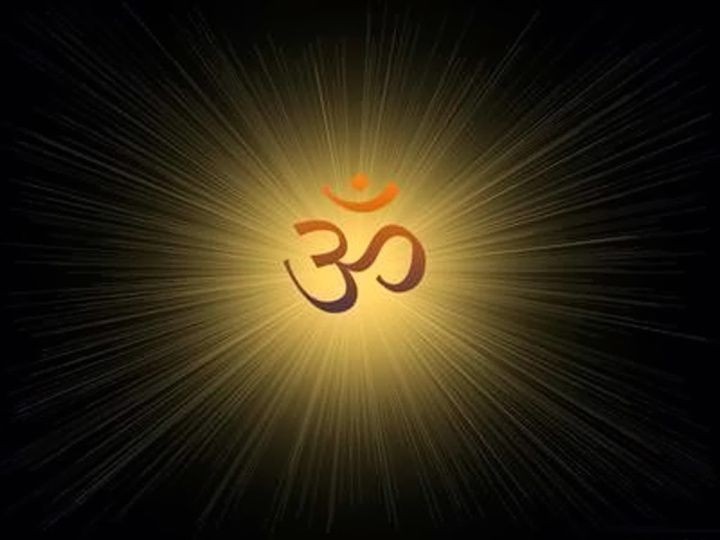
In the vast expanse of the cosmos, a timeless vibration reverberates through space and time, encapsulating the essence of existence itself. This eternal sound, known as “OM,” is often referred to as the sound of the universe, a sacred syllable that resonates with profound significance in various spiritual and philosophical traditions. From ancient scriptures to modern scientific exploration, the resonance of OM carries within it a tapestry of meaning that transcends cultures, languages, and disciplines, connecting us to the very fabric of creation.

**The Origins of OM:**

The origins of OM can be traced back to ancient Indian spiritual and philosophical texts, particularly the Vedas. In Hinduism, OM is considered a primordial and divine sound, symbolizing the ultimate reality, the unmanifested source from which all existence arises. It is often depicted as a three-part syllable: A-U-M, with each part representing different aspects of reality. “A” symbolizes creation, “U” symbolizes preservation, and “M” symbolizes destruction or transformation. The silence that follows the chanting of OM represents the fourth state, known as “Turiya,” which transcends the cycle of creation, preservation, and destruction.

**OM in Spiritual Practices:**

Chanting OM is a common practice in various spiritual disciplines, including Hinduism, Buddhism, Jainism, and Sikhism. The resonance of the sound is believed to align one’s consciousness with the divine, facilitating meditation, introspection, and connection with higher states of awareness. The rhythmic intonation of OM is thought to resonate not only within the individual but also throughout the cosmos, symbolizing the interconnectedness of all beings.

**OM in Modern Science:**

Beyond its spiritual significance, OM has also captured the curiosity of modern science. The vibration and resonance of the universe are subjects of study in fields like cosmology and physics. While the direct translation of OM into scientific terms may be complex, the fundamental idea of a universal vibration aligns with the concept of cosmic background radiation—the faint afterglow of the Big Bang. This cosmic hum, discovered in the mid-20th century, is believed to be the oldest detectable signal in the universe and is often metaphorically referred to as the “sound” of the Big Bang.

**The Harmony of OM:**

OM’s resonance carries a unique harmony that extends beyond cultural and spiritual boundaries. Just as different musical notes combine to create a melodious composition, OM’s three syllables combine to create a harmonious sound that encompasses the cyclical nature of existence. This harmony reflects the interconnectedness of life, the cycles of birth, growth, and transformation that are central to the human experience.

**OM in Sound Therapy:**

The healing potential of sound is a subject of increasing interest in the realm of holistic wellness. Sound therapy, also known as sound healing, utilizes vibrations and frequencies to promote relaxation, reduce stress, and enhance well-being. OM’s resonance, often used as a focal point in sound therapy practices, is believed to balance and align the body’s energy centers, or chakras, promoting a sense of harmony and vitality.

**OM in Philosophy:**

Beyond its role as a mere sound, OM encapsulates profound philosophical insights. In Advaita Vedanta, a non-dualistic school of Indian philosophy, OM represents the unity of the individual soul (Atman) with the ultimate reality (Brahman). It signifies the realization that all apparent distinctions are illusory, and the true nature of existence is a singular consciousness that transcends form and division.

**The Quest for Cosmic Harmony:**

The universal resonance of OM invites us to ponder the nature of harmony in a world often characterized by complexity and discord. It reminds us that beneath the surface of diverse experiences and expressions lies a unifying thread that connects all life forms. Just as the vibrations of OM create a symphony that transcends the individual notes, our collective journey through existence is an intricate interplay of unique melodies that together compose the grand tapestry of the universe.

In conclusion, OM—the sound of the universe—is a profound symbol that transcends cultural, spiritual, and scientific boundaries. From its origins in ancient texts to its echoes in modern cosmology, OM resonates as a reminder of the interconnectedness of all existence. Whether chanted during meditation, contemplated in philosophical discourse, or studied in scientific exploration, the resonance of OM invites us to attune ourselves to the cosmic symphony that underlies the fabric of reality, uniting us with the eternal vibration of creation.

Navigating Tomorrow’s Frontiers: Exploring the Evolving Landscape of Artificial Intelligence


In the ever-evolving landscape of technology, the concept of artificial intelligence (AI) has not only taken root but also flourished into a transformative force with boundless potential. As we peer into the horizon of the future, it becomes evident that the realm of AI is poised for remarkable growth and diversification. From advancements in machine learning to the emergence of sentient AI, the differences between artificial intelligence in the future world are both intriguing and paradigm-shifting.

1. Specialized AI vs. General AI:

The current state of AI largely revolves around specialized systems that excel in specific tasks. However, as we venture into the future, the distinction between specialized AI and general AI will become more pronounced. Specialized AI, such as chatbots and recommendation systems, focus on executing narrow tasks with precision. In contrast, general AI, often referred to as Artificial General Intelligence (AGI) or strong AI, aims to possess human-like cognitive abilities and the capacity to comprehend and excel in various domains.

2. Ethics and Bias Mitigation:

One of the most pressing concerns surrounding AI pertains to ethics and bias. As AI systems become more autonomous and capable of making complex decisions, the potential for biased outcomes increases. Future AI endeavors will emphasize the importance of ethical considerations, necessitating the development of robust frameworks to address bias, fairness, and accountability. The differences in AI will stem from how effectively these frameworks are integrated into AI systems to ensure responsible and equitable deployment.

3. Sentient AI and Consciousness:

Perhaps the most intriguing and contentious aspect of future AI is the potential emergence of sentient AI. This notion conjures images of machines with consciousness, self-awareness, and emotions. While sentient AI remains largely theoretical at present, the future holds the promise of achieving a level of AI that not only comprehends its environment but also perceives itself within that environment. The difference here is the leap from performing tasks to experiencing subjective consciousness—a feat that could reshape the very definition of intelligence.

4. Human-Machine Symbiosis:

The trajectory of AI development is moving towards a future where humans and machines collaborate symbiotically. This evolution promises to transcend the traditional human-AI relationship, integrating AI seamlessly into daily life. Through brain-computer interfaces, neural augmentation, and other technological advancements, AI could merge with human cognition, enhancing our capabilities and enabling us to access AI-powered knowledge and insights effortlessly.

5. Creativity and Artistic Expression:

As AI matures, its role in creative endeavors will expand beyond automation to include genuine artistic contributions. Already, AI-generated art, music, and literature are gaining recognition. In the future, AI could serve as a wellspring of inspiration, offering novel insights and innovative concepts that push the boundaries of human creativity. The differences in future AI will emerge from the harmony achieved between human creativity and AI assistance, resulting in unique forms of artistic expression.

6. Interplanetary and Extraterrestrial AI:

As humanity endeavors to explore and inhabit distant planets, AI will play an indispensable role in these off-world endeavors. The development of interplanetary AI systems, tailored to thrive in the extreme conditions of space, will mark a pivotal difference in the AI landscape. Moreover, the possibility of encountering extraterrestrial life prompts contemplation of AI’s role in communication and interaction with beings beyond Earth.

7. Quantum AI:

Quantum computing, with its capacity to process information exponentially faster than classical computers, will usher in a new era of AI capabilities. Quantum AI holds the promise of solving complex problems that are currently beyond the reach of classical AI, from simulating molecular interactions for drug discovery to optimizing logistics for global supply chains. The differences between quantum AI and traditional AI will hinge on the former’s ability to harness the inherent quantum properties of particles for computation.

8. AI Governance and Regulation:

As AI evolves, the necessity for global governance and regulations will become more pronounced. The differences in future AI will manifest through the collaborative efforts of governments, industries, and experts to establish a harmonized framework that ensures ethical use, data privacy, and accountability. Striking the right balance between innovation and safeguarding societal interests will be a defining aspect of future AI development.

In the midst of these differences, there lies a common thread: the need for proactive human stewardship. As AI evolves, human involvement remains pivotal to steering its trajectory in ways that align with our values and aspirations. The future of AI is not merely about technological advancement; it’s about the choices we make, the ethical considerations we prioritize, and the creative potential we unleash.

In conclusion, the differences between artificial intelligence in the future world are vast and captivating. From specialized AI to sentient AI, from ethics to consciousness, from collaboration to creativity, these differences encapsulate the spectrum of possibilities that AI holds. The journey into the future of AI is an expedition into uncharted territory, where the intersections of science, ethics, and imagination shape a landscape that will redefine what it means to be intelligent. As we embark on this journey, we must tread with curiosity, foresight, and a profound sense of responsibility to ensure that the future of AI remains a testament to the ingenuity of human endeavor.

The Enigmatic Dance of Intimacy: Mastering the Art of Unveiling Your Partner’s Secrets


In the intricate tapestry of human relationships, few pursuits are as captivating as the art of knowing all the secrets of your partner. Like a delicate dance, it involves a harmonious blend of empathy, communication, and genuine curiosity, all coming together to create a bond that transcends the ordinary. The journey towards unveiling your partner’s deepest secrets is a voyage into the realm of vulnerability and understanding, a testament to the power of connection that can redefine the very essence of your relationship.

The essence of this art lies not in prying or invading one’s privacy, but rather in creating an environment where both individuals feel comfortable and safe enough to share their most guarded thoughts and emotions. Transparency and honesty are the cornerstones of this journey, establishing a foundation upon which the art of knowing all secrets can flourish.

Communication, the cornerstone of any successful relationship, plays a pivotal role in this art. Open and heartfelt conversations provide the canvas upon which the intricate details of one’s inner world are painted. Active listening, devoid of judgment or preconceived notions, is the brush that brings life to these conversations. In the hustle and bustle of daily life, finding moments of uninterrupted connection can be challenging, yet these moments form the bridges over which secrets flow freely.

To embark on the journey of discovering your partner’s secrets is to embark on an exploration of the human soul. Empathy becomes your compass, guiding you through the labyrinthine corridors of their experiences, fears, dreams, and aspirations. Walking in their shoes, even if only for a moment, can lead to a profound understanding that enhances the intimacy you share.

Patience, often overlooked but essential, is the undercurrent that propels this dance forward. Secrets are not revealed overnight; they unravel with time, trust, and shared experiences. As you traverse the peaks and valleys of life together, you gradually learn to recognize the nuances of their emotions, deciphering the unspoken words hidden behind their eyes. This patience is a testament to your commitment to understanding them on a level that transcends the surface.

In the realm of knowing all the secrets, vulnerability is a currency of immeasurable value. As you share your own stories, fears, and confidences, you create a space where your partner feels safe enough to reciprocate. This reciprocity forms the basis of a deep and unbreakable bond, where the knowledge of each other’s secrets is a testament to the trust you have cultivated.

However, it is crucial to acknowledge that not all secrets need to be unveiled. Respect for individual boundaries is paramount. Each person possesses a private sanctuary within, and understanding where to draw the line between shared intimacy and personal privacy is a delicate skill. Some secrets are like precious pearls hidden away, meant only for the person who holds them.

The art of knowing all the secrets of your partner is not without its challenges. Misunderstandings, doubts, and miscommunications are part and parcel of any relationship. Yet, when you’ve mastered the art of connection, these challenges become opportunities for growth rather than barriers to intimacy.

In a world where technological advancements often blur the lines between public and private, the ability to foster deep connections remains a precious gift. To know someone’s secrets is to hold a mirror to their soul, reflecting their true essence back to them. It’s a mirror that, when handled with care and compassion, can mend wounds, strengthen bonds, and create a space where two individuals become true companions on the journey of life.

In conclusion, the art of knowing all the secrets of your partner is a symphony composed of vulnerability, communication, patience, and empathy. It’s a dance that requires finesse and devotion, a journey that transforms your relationship from ordinary to extraordinary. As you traverse this path together, remember that the pursuit of secrets isn’t just about uncovering hidden truths; it’s about the profound connection that comes from knowing and being known on the deepest levels.

Addressing the Plight of Unsung Heroes: Ensuring Equitable Benefits for Lower-Rank Soldiers

Soldiers, the valiant defenders of a nation’s sovereignty, dedicate their lives to safeguarding the freedoms we enjoy. However, a glaring disparity often persists when it comes to benefits and remuneration for soldiers in lower ranks. These unsung heroes hail from modest backgrounds, leaving their families financially vulnerable. Tragically, in the event of their untimely demise, their loved ones are left grappling with insecurity and lack of support. This article sheds light on the challenges faced by lower-rank soldiers, provides real-life examples of their struggles, and offers viable solutions to bridge this gap, stemming from both governmental and societal efforts.

The Plight of Lower-Rank Soldiers

Lower-rank soldiers often come from marginalized backgrounds, making their entry into the military a means of upward mobility and escape from poverty. Unfortunately, despite their unwavering commitment, they often do not receive the benefits and remuneration that their sacrifices warrant. Their salaries are meager, and many schemes and privileges reserved for higher-ranking officers remain elusive for them. This disparity exacerbates their financial struggles, pushing them further into a cycle of hardship.

In the unfortunate event of a lower-rank soldier’s demise, the plight faced by their families becomes painfully evident. These families, who have already made immense sacrifices, find themselves bereft of financial support. Government schemes for the welfare of soldiers’ families are often insufficient or inaccessible, leaving the bereaved families grappling with economic uncertainty and a lack of resources.

Examples from Real Life

The stories of lower-rank soldiers and their families paint a poignant picture of the challenges they face. One such story is that of Rajesh Kumar, a soldier from a humble background, who lost his life defending the nation. His family, without a steady source of income or adequate support, struggled to make ends meet. Their struggle mirrored the predicament faced by countless other families in similar situations.

Another example is that of Jyoti Singh, a widow of a lower-rank soldier who lost his life while serving the nation. Left with two young children and little financial support, Jyoti’s story reflects the grim reality faced by many families who have lost their primary breadwinners. The lack of robust government schemes or social safety nets leaves these families vulnerable to impoverishment and destitution.

Possible Solutions: Government and Society Collaborative Efforts

  1. Enhanced Salaries and Benefits: The government can start by revisiting the remuneration packages for lower-rank soldiers, ensuring that they receive fair compensation for their service. Access to medical facilities, education, and housing allowances should be extended to all ranks, fostering a sense of dignity and well-being.
  2. Comprehensive Family Welfare Schemes: Introducing comprehensive family welfare schemes that cater to the needs of lower-rank soldiers’ families is imperative. These schemes should encompass education, healthcare, and financial support, ensuring that families do not fall into economic hardship in the event of a soldier’s demise.
  3. Specialized Counseling and Support: Soldiers and their families, especially those from marginalized backgrounds, often face psychological challenges that can impact their overall well-being. The government can establish counseling centers and support networks to address the mental health needs of soldiers and their families.
  4. Skill Development and Employment Opportunities: To mitigate the challenges of post-service life, the government and society can collaborate to provide skill development programs and employment opportunities for retired soldiers. This will empower them to transition into civilian life more seamlessly.
  5. Corporate and Philanthropic Engagement: Corporations and philanthropic organizations can play a crucial role in supporting lower-rank soldiers and their families. Scholarships, vocational training programs, and employment initiatives can be established in partnership with these entities.
  6. Awareness and Advocacy: Raising awareness about the struggles faced by lower-rank soldiers and their families can galvanize public support. Civil society organizations and media can play a pivotal role in advocating for their rights and needs.
  7. Empowerment through Education: Focusing on education as a means of empowerment, scholarships, and educational grants can be extended to the children of lower-rank soldiers. This not only secures their future but also honors the sacrifices of their parents.

The dedication and sacrifices of lower-rank soldiers form the backbone of a nation’s security and integrity. It is imperative that they receive the respect, benefits, and remuneration they rightfully deserve. The examples of Rajesh Kumar, Jyoti Singh, and countless others underscore the pressing need for change. A collaborative effort between the government, society, and various stakeholders is the key to addressing this pressing issue. By implementing comprehensive welfare schemes, enhancing financial support, and offering opportunities for holistic development, we can ensure that these unsung heroes and their families are not left in the shadows of neglect and uncertainty. It is our collective responsibility to honor their sacrifices and ensure that their service is met with dignity, respect, and unwavering support.

The Debatable Matter of India’s Basic Structure Doctrine: Sovereign Power and Constitutional Amendments


The concept of the Basic Structure Doctrine in India’s constitutional framework has remained a subject of debate since its inception. It revolves around the question of whether the elected government, holding the power to amend the constitution, can alter its fundamental tenets. This doctrine has been pivotal in shaping India’s constitutional jurisprudence and has garnered global attention due to its unique nature. While India upholds the doctrine, other countries’ constitutions do not explicitly provide for such a safeguard, leading to a profound contrast in constitutional interpretation.

Understanding the Basic Structure Doctrine

The Basic Structure Doctrine, often traced back to the landmark Kesavananda Bharati case in 1973, establishes the principle that certain core features of the Indian Constitution are beyond the reach of amendment by the legislature, even though it is elected by the people. This doctrine ensures that the fundamental principles and values of the constitution remain inviolable, protecting the essence of the Indian democracy. It is based on the belief that there is a “basic structure” that forms the foundation of the constitution, which cannot be compromised or altered by any transient majority.

Debate over Sovereign Power

One of the most contentious aspects of the Basic Structure Doctrine is the question of whether the elected government, representing the sovereign will of the people, should be constrained in its power to amend the constitution. Proponents argue that while elected governments have the mandate to govern, the constitution provides the framework within which this governance takes place. By protecting the basic structure, the doctrine ensures that the elected government does not alter the fundamental values upon which the nation is built.

Critics, on the other hand, contend that giving the judiciary the authority to determine the basic structure undermines the democratic process. They argue that elected representatives, who are directly accountable to the people, should have the power to amend the constitution in response to changing circumstances and the evolving needs of the nation. The debate essentially pits the principles of judicial review against popular sovereignty.
Certainly, the concern surrounding the identification of fundamental tenets within the Basic Structure Doctrine is a pivotal aspect of the ongoing debate. While the doctrine is intended to protect the core principles and values of the constitution, the question of who holds the authority to determine what constitutes these fundamental tenets remains a point of contention.

The process of identifying and defining these fundamental tenets is inherently complex and involves a delicate balance between different branches of government and the judiciary. Here are some key points to consider:

1. **Judicial Role and Independence:** The responsibility of delineating fundamental tenets often falls on the judiciary. The Indian Supreme Court, for example, has played a significant role in interpreting and defining the basic structure. However, critics argue that this puts a considerable amount of power in the hands of unelected judges, potentially undermining the democratic principle of popular sovereignty.

2. **Balancing Act:** The judiciary must strike a balance between respecting the democratic mandate of elected representatives and upholding the integrity of the constitution. Decisions regarding the basic structure can have far-reaching consequences, affecting the nation’s political, social, and economic landscape.

3. **Evolution and Interpretation:** Over time, the concept of fundamental tenets may evolve based on changing societal norms, technological advancements, and shifts in global perspectives. What might have been considered fundamental in the past might not hold the same significance today. This dynamic nature of interpretation adds complexity to the process.

4. **Preventing Abuse:** The Basic Structure Doctrine is intended to prevent the abuse of power by elected representatives who might seek to undermine the constitution’s core values. However, there is a fine line between safeguarding the constitution and potentially overstepping the judiciary’s authority.

5. **Transparent Criteria:** Establishing transparent criteria or guidelines for determining fundamental tenets can help mitigate concerns of subjectivity and arbitrary decisions. Such criteria could be rooted in the text of the constitution, its historical context, and the principles it seeks to uphold.

6. **Public Participation:** In order to address concerns of democratic legitimacy, involving the public in the discourse about fundamental tenets could be considered. Public opinion, although not binding, can provide valuable insights into the perceived importance of different constitutional elements.

7. **Checks and Balances:** The doctrine’s application can be subject to checks and balances. Other branches of government, civil society, and legal scholars can engage in the conversation and offer their perspectives, thereby contributing to a more comprehensive understanding of what should be considered fundamental.

Here, the question of identifying fundamental tenets within the Basic Structure Doctrine is indeed a complex one. It involves navigating the delicate balance between preserving the constitution’s core values and ensuring democratic principles are upheld. While the judiciary plays a central role in this process, it is essential for there to be transparency, inclusivity, and accountability to maintain the legitimacy of decisions made. The ongoing debate underscores the need for continuous engagement and thoughtful reflection on the interplay between the protection of constitutional principles and the rightful exercise of democratic power.


The Role of Judicial Review

The presence of the Basic Structure Doctrine underscores the vital role of the judiciary in safeguarding the constitution. In India, the judiciary acts as the custodian of the constitution, ensuring that it remains a living document while preserving its core values. This principle stems from the belief that an independent judiciary can impartially assess amendments to prevent potential abuse of power and protect the rights of citizens.

Comparative Analysis: Absence in Other Countries’ Constitutions

The Basic Structure Doctrine sets India apart from many other countries, where such a safeguard against constitutional amendments is absent. This disparity can be attributed to the unique historical, social, and political contexts of different nations.

In countries with flexible constitutions, the absence of a basic structure safeguard stems from their legal tradition, which grants significant latitude to elected representatives in shaping the constitution. Countries such as the United Kingdom, New Zealand, and Canada follow an unwritten constitution, which can be amended relatively easily through legislative processes. These nations place a strong emphasis on parliamentary supremacy, wherein the elected legislature holds the highest authority, making the idea of a basic structure doctrine incongruent with their constitutional frameworks.

In contrast, countries with rigid constitutions, like the United States and Germany, typically provide for explicit processes of amendment that require a higher level of consensus. This heightened requirement for amending the constitution serves as a safeguard against frequent and arbitrary changes. Consequently, these countries do not feel the need to establish a separate basic structure doctrine.


The Basic Structure Doctrine in India continues to spark vigorous debates about the balance between the elected government’s power and the sanctity of the constitution. Its presence highlights the country’s commitment to preserving the core values and principles upon which the nation was built. While critics argue that this doctrine hampers democratic processes, proponents believe it acts as a crucial safeguard against potential abuse of power and the erosion of fundamental rights.

The doctrine’s absence in other countries’ constitutions reveals the intricate interplay between historical contexts, constitutional traditions, and political philosophies. The unique nature of each nation’s constitutional framework determines whether a basic structure doctrine is deemed necessary.

Ultimately, the Basic Structure Doctrine showcases the dynamic nature of constitutional interpretation and the ongoing discourse about the scope of government power, the protection of rights, and the pursuit of a just and equitable society. As India’s democracy evolves, so too will the discussions surrounding the interplay between elected governance the foundational principles of the nation and the definition of the fundamental principles of the nation.

Hidden Gems of Kerala: 10 Unexplored Paradises You Must Discover

Kerala


Kerala, often referred to as “God’s Own Country,” is renowned for its picturesque landscapes, serene backwaters, and lush greenery. However, beyond the well-trodden tourist trails lie lesser-known treasures that promise unique experiences and breathtaking beauty. Here, we unveil the top 10 unexplored places in Kerala that deserve a spot on every traveler’s bucket list.

1. VagamonThe Mystical Meadow: Nestled amidst rolling hills, Vagamon boasts verdant meadows, mist-covered valleys, and serene pine forests. Its untouched beauty and tranquil ambiance make it an ideal retreat for nature lovers.

2. Gavi – Wilderness Wonderland:** Gavi’s untouched wilderness, dense forests, and pristine lakes offer a haven for wildlife enthusiasts and adventure seekers. The unspoiled landscapes and diverse flora and fauna make it a nature lover’s paradise.

3. Thenmala – Eco-Tourism Haven: Recognized as India’s first planned eco-tourism destination, Thenmala offers lush forests, cascading waterfalls, and an adventure zone. It’s an opportunity to explore nature’s bounty responsibly.

4. Kumbalangi – Rural Charm Redefined: Experience the authentic charm of Kerala’s backwater villages in Kumbalangi. Engage with the locals, indulge in traditional activities, and witness the harmony of man and nature.

5. Bekal – Coastal Grandeur: Bekal’s historic fort, stunning beaches, and tranquil backwaters remain off the mainstream tourist circuit. The iconic Bekal Fort’s panoramic views are a sight to behold.

6. Silent Valley National Park – Wilderness Untamed: Home to rare flora and fauna, the Silent Valley National Park is a pristine expanse of untouched rainforest. Trek through its lush trails for an unparalleled adventure.

7. Thenmala – Echo Point: Uncover the mesmerizing Echo Point, where the hills echo your whispers and the scenery is simply awe-inspiring. It’s a surreal experience that truly connects you with nature.

8. Marari Beach – Secluded Serenity: Escape to Marari Beach, a serene stretch of golden sand away from the crowds. Its tranquil waters and peaceful ambiance provide the perfect backdrop for relaxation.

9. Ilaveezhapoonchira – Valley of No Leaves: Translating to “Valley Where Leaves Don’t Fall,” Ilaveezhapoonchira offers panoramic views of the surrounding hills and is known for its unique topography.

10. Ponmudi – Hill Station Retreat: The untouched charm of Ponmudi’s mist-covered hills, winding roads, and cool climate offer a refreshing escape from the heat of the plains.

Why These Hidden Gems Matter: While Kerala’s popular destinations offer their own charm, these unexplored places provide an opportunity to connect with the region’s pristine nature, culture, and authentic experiences. They encourage sustainable tourism, help preserve the state’s rich biodiversity, and offer a chance to appreciate its lesser-known wonders.

Beyond the ordinary lies a Kerala waiting to be explored. From misty hills to tranquil beaches and dense forests to charming villages, these 10 unexplored gems offer a deeper, more intimate connection with the state’s natural and cultural treasures. Embark on a journey of discovery and uncover the beauty that often goes unnoticed in “God’s Own Country.”

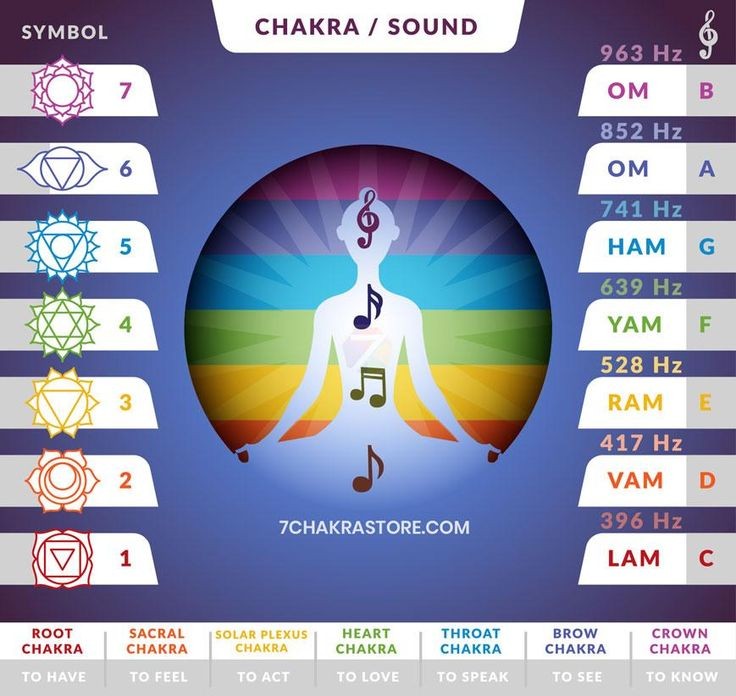
Harmonizing the Soul: Exploring the Seven Spiritual Chakras and their Resonant Sounds


The human body is a complex energetic system that goes beyond the physical realm, and one ancient belief system that recognizes this is the concept of the seven spiritual chakras. These chakras are thought to be swirling centers of energy that align along the spine, each corresponding to different aspects of human life and consciousness. A unique facet of this belief is the connection between these chakras and specific resonant sounds, which are said to hold the power to harmonize and balance the chakras. In this exploration, we delve into the essence of each chakra and its associated sound, uncovering the profound influence they can have on our well-being.

Root Chakra (Muladhara) – “Lam”: The foundation of the chakra system, the Root Chakra, is located at the base of the spine and is associated with feelings of safety, security, and stability. Its resonant sound, “Lam,” resonates with grounding, helping to connect us to the Earth and establish a sense of belonging.

Sacral Chakra (Svadhisthana) – “Vam”: The Sacral Chakra, residing in the lower abdomen, embodies creativity, pleasure, and emotional balance. The sound “Vam” is said to ignite passion, awaken sensuality, and encourage a healthy expression of emotions.

Solar Plexus Chakra (Manipura) – “Ram”: Positioned in the upper abdomen, the Solar Plexus Chakra is associated with personal power, self-confidence, and willpower. Chanting “Ram” is believed to cultivate self-esteem and confidence, enabling us to take charge of our lives.

Heart Chakra (Anahata) – “Yam”: The Heart Chakra, situated in the chest area, symbolizes love, compassion, and emotional healing. The sound “Yam” resonates with these qualities, fostering love for oneself and others, and promoting emotional equilibrium.

Throat Chakra (Vishuddha) – “Ham”: Found in the throat region, the Throat Chakra governs communication, self-expression, and authenticity. Chanting “Ham” can facilitate clear communication, creative articulation, and the ability to speak one’s truth.

Third Eye Chakra (Ajna) – “Om” or “Aum”: The Third Eye Chakra, located between the eyebrows, represents intuition, insight, and spiritual awareness. The revered sound “Om” or “Aum” is a universal mantra, believed to open the door to higher consciousness and enhance inner wisdom.

Crown Chakra (Sahasrara) – Silence or “Ng”: Situated at the top of the head, the Crown Chakra signifies spiritual connection and divine consciousness. Unlike the other chakras, the sound associated with the Crown Chakra is often silence or the resonant sound “Ng,” which signifies the state of unity and oneness with the universe.

Harmonizing through Sound: Chanting these resonant sounds, whether in meditation or mindful practice, is believed to activate and balance the corresponding chakras. The vibrations produced by these sounds are thought to stimulate the chakras’ energy flow, promoting physical, mental, and emotional well-being. The act of chanting, combined with focused intention, aims to clear blockages and restore the harmonious flow of energy throughout the body.

Modern Relevance is, In today’s fast-paced world, where stress, anxiety, and disconnection are rampant, the concept of chakras and their resonant sounds offers a holistic approach to healing. The practice aligns with the principles of mindfulness and self-care, empowering individuals to cultivate inner balance, self-awareness, and spiritual growth.

The ancient wisdom of the seven spiritual chakras and their resonant sounds provides a profound lens through which to view human existence. By engaging with these energy centers and their associated vibrations, individuals have the opportunity to embark on a transformative journey of self-discovery and holistic well-being. As we embrace the interconnectedness of our physical, emotional, and spiritual selves, the harmonious resonance of the chakras’ sounds guides us toward a deeper understanding of ourselves and our place in the universe.

Harmonizing Energies: Unveiling the Art of Chakra Activation Meditation


In the realm of holistic well-being and spiritual growth, chakra activation meditation stands as a profound practice that seeks to balance and harmonize the body’s vital energy centers. Rooted in ancient Eastern philosophies, this form of meditation offers a transformative journey that connects mind, body, and spirit. In this article, we delve into the captivating world of chakra activation meditation, exploring its significance, methods, and the remarkable benefits it bestows upon practitioners.

Understanding Chakras: The Energy Centers Within

Chakras, derived from the Sanskrit word for “wheel,” are seven distinct energy centers that are believed to exist along the spine, from the base to the crown of the head. Each chakra is associated with specific physical, emotional, and spiritual attributes. The balanced flow of energy through these chakras is thought to be crucial for overall health and well-being.

Chakra Activation Meditation: A Pathway to Balance

Chakra activation meditation is a spiritual practice that aims to awaken, align, and harmonize the chakras. By facilitating the free flow of energy, this meditation technique promotes physical, mental, and emotional equilibrium. It is a transformative journey that enables practitioners to unlock their inner potential and cultivate a deeper connection with themselves and the universe.

Methods of Chakra Activation Meditation:

1. Mindful Breathing and Visualization:
Begin by finding a comfortable and quiet space. Sit or lie down in a relaxed posture. Close your eyes and focus on your breath. Inhale deeply and exhale slowly. With each breath, visualize a vibrant, glowing light at the location of each chakra. Imagine the light expanding with each inhale, cleansing and energizing the chakra. As you exhale, envision any negative or stagnant energy being released. Move your focus from the base chakra to the crown chakra, spending a few minutes on each.

2. Mantra Chanting:
Select a mantra that corresponds to each chakra. For example, the mantra “LAM” is associated with the root chakra, while “OM” resonates with the crown chakra. Sit comfortably, close your eyes, and chant the chosen mantra for each chakra. Allow the vibration of the sound to resonate within the body and clear any blockages. This method combines sound and intention to activate and balance the chakras.

3. Guided Meditation:
Utilize guided meditation recordings or videos that focus on chakra activation. These guided sessions often lead you through a visualization journey, helping you connect with and balance each chakra. A soothing voice guides you through the process, making it an ideal option for beginners or those seeking a structured practice.

4. Yoga Poses and Movement:
Practicing yoga poses that target specific chakras can aid in their activation. For example, poses like Tree Pose or Mountain Pose can help activate the root chakra, while Camel Pose or Cobra Pose can stimulate the heart chakra. Engaging in these poses while focusing on the associated chakra can enhance energy flow and alignment.

Benefits of Chakra Activation Meditation:

1. Enhanced Energy Flow:
Chakra activation meditation facilitates the smooth flow of vital energy throughout the body. This balanced energy circulation fosters physical vitality and mental clarity, promoting overall well-being.

2. Emotional Healing:
By addressing emotional blockages within specific chakras, this practice can help release past traumas and negative emotions. A balanced emotional state contributes to inner peace and emotional resilience.

3. Heightened Intuition and Awareness:
As the chakras align and activate, practitioners often report an increased sense of intuition and heightened awareness. This expanded consciousness enables a deeper understanding of oneself and the world around them.

4. Stress Reduction and Relaxation:
Chakra activation meditation induces a state of deep relaxation, reducing stress and anxiety. The practice encourages mindfulness and present-moment awareness, allowing practitioners to let go of worries and find inner calm.

5. Spiritual Growth and Connection:
Chakra activation meditation is a potent tool for spiritual growth and self-discovery. As the chakras awaken, individuals may experience a stronger connection with their inner selves and a deeper sense of connection with the universe.


Chakra activation meditation stands as a profound pathway to inner balance, transformation, and spiritual evolution. By engaging in practices that facilitate the harmonious flow of energy through the chakras, individuals embark on a journey of self-discovery, emotional healing, and heightened awareness. As we delve into the captivating world of chakra activation meditation, we find a transformative practice that offers a holistic approach to well-being, fostering a deeper connection with the self and the universe at large.

GADAR 2: The Resonating Success and Cultural Appeal


The cinematic world has recently witnessed a resounding success with the release of “GADAR 2”, a sequel that has captivated the hearts of Indian audiences. Building upon the foundation laid by its predecessor, the movie’s triumph can be attributed to a combination of factors that strike a chord with the Indian populace. In this article, we explore the reasons behind the success of “GADAR 2” and delve into why it has found favor among Indian audiences.

1. Nostalgic Connect and Brand Recognition:

“GADAR: Ek Prem Katha”, released in 2001, was a blockbuster hit that left an indelible mark on Indian cinema. The sequel, “GADAR 2”, capitalizes on the nostalgic sentiment associated with the original film. The familiarity of characters, memorable dialogues, and the timeless love story have invoked a sense of nostalgia, drawing in audiences who fondly remember the first installment.

2. Emotionally Charged Storytelling:

One of the key reasons for the movie’s success lies in its emotionally charged storytelling. “GADAR 2” retains the core themes of love, sacrifice, and patriotism, which resonate deeply with the Indian audience. The compelling narrative and relatable characters evoke a range of emotions, fostering a strong connection between the viewers and the on-screen journey.

3. Cultural Relevance and National Pride:

The movie’s portrayal of strong nationalistic values and the depiction of India’s struggle for freedom resonate strongly with Indian audiences. The fervent patriotism and dedication to the country’s ideals strike a chord with viewers who take pride in their cultural heritage. “GADAR 2” taps into the collective sense of national pride, further cementing its popularity.

4. Stellar Performances and Iconic Pairing:

The success of “GADAR 2” can also be attributed to the exceptional performances of its lead actors. The chemistry between the lead pair, combined with their powerful acting, brings depth and authenticity to the characters. This iconic pairing and their convincing portrayal of love and sacrifice contribute significantly to the movie’s appeal.

5. Melodious Music and Catchy Soundtrack:

Music has always been a driving force behind the success of Indian films, and “GADAR 2” is no exception. The movie’s melodious soundtrack, featuring soul-stirring songs that resonate with the storyline, adds to the overall emotional impact. Catchy tunes and heartrending lyrics have further contributed to the film’s widespread popularity.

6. Timeless Themes and Universal Appeal:

“GADAR 2” deals with themes that are timeless and universally relevant. The exploration of love, sacrifice, and the triumph of the human spirit transcends cultural boundaries, making the film accessible to a wide audience. The themes presented in the movie resonate with individuals across different walks of life, enhancing its appeal.

7. Strong Marketing and Anticipation:

The anticipation and excitement surrounding the release of “GADAR 2” were heightened through effective marketing strategies. Teasers, trailers, and promotional events generated buzz and curiosity among the audience. The successful marketing campaign played a pivotal role in drawing audiences to theaters.


“GADAR 2” has captured the hearts of Indian audiences through its nostalgic charm, emotionally charged storytelling, cultural relevance, and stellar performances. The movie’s success can be attributed to its ability to resonate with the sentiments and values of the Indian populace. As the film continues to leave a lasting impact, it reaffirms the power of storytelling and its ability to forge a deep connection between cinema and society. The triumph of “GADAR 2” is a testament to the enduring allure of timeless themes and their ability to bridge generations and cultures.

Design a site like this with WordPress.com
Get started