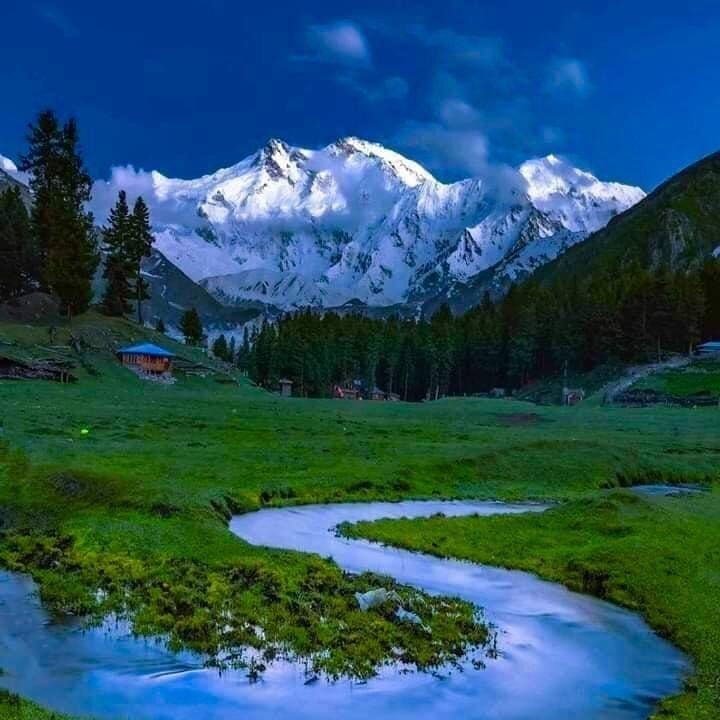
The Himalayas, a mesmerizing range of towering peaks and enchanting valleys, hold a timeless allure that transcends boundaries. Stretching across five countries – India, Nepal, Bhutan, China, and Pakistan – this majestic range is more than just a geographical wonder; it is a realm of spiritual awakening, cultural diversity, and unexplored mysteries. This article delves into the beauty of the Himalayas, exploring its geographical, religious, cultural, and spiritual importance, while uncovering its lesser-known, hidden gems.
Geographical Grandeur:
The Himalayas, often referred to as the “Abode of Snow,” form a formidable natural barrier separating the Indian subcontinent from the Tibetan Plateau. With an extensive range that spans approximately 1,500 miles, it boasts over 50 peaks above 23,600 feet, including the world’s highest peak, Mount Everest. This geological marvel influences climate patterns, carving out river valleys and nurturing lush ecosystems. The beauty of the Himalayas lies in its breathtaking landscapes – from serene alpine meadows to rugged terrains, glistening glaciers, and meandering rivers.
Religious and Cultural Significance:
The Himalayas have long held a sacred place in the hearts of millions. This region is home to several religions, and it is often considered the spiritual epicenter of the world. For Hindus, the Himalayas house sacred shrines like Badrinath, Kedarnath, and Amarnath, while Buddhists revere it for being the birthplace of Siddhartha Gautama, who later became Gautama Buddha. The cultural diversity thrives in the Himalayas, with indigenous communities in Bhutan, Nepal, and India preserving their unique traditions and way of life. Festivals like the Hemis Festival in Ladakh and the Paro Tsechu in Bhutan showcase the vibrant tapestry of the region’s cultures.
Spiritual Awakening:
The Himalayas offer a serene environment conducive to spiritual growth and self-discovery. Yogis and spiritual seekers have been drawn to its tranquil valleys for centuries. Renowned spiritual destinations like Rishikesh, known as the “Yoga Capital of the World,” provide the perfect backdrop for meditation and self-reflection. Many ashrams and monasteries nestled amidst the mountains offer solitude and a chance to connect with oneself and nature. The pristine surroundings, where the air is imbued with tranquility, inspire introspection and spiritual awakening.
Unexplored Treasures:
While the popular destinations in the Himalayas attract tourists from around the globe, the lesser-known, unexplored places hold their own charm. Places like Tirthan Valley in Himachal Pradesh, Pelling in Sikkim, and the Nubra Valley in Ladakh offer a more off-the-beaten-path experience. These hidden treasures provide an opportunity to immerse oneself in the raw beauty of nature, away from the bustling crowds. The less-trodden trails and pristine landscapes reveal the true essence of the Himalayas, allowing travelers to forge a deeper connection with this enchanting realm.
Preserving the Fragile Ecosystem:
The beauty of the Himalayas also calls for a responsible approach to tourism and environmental conservation. Rapid urbanization, unchecked construction, and waste disposal pose significant threats to the fragile ecosystem of the region. Sustainable tourism practices and community-based initiatives are essential to ensure that the natural beauty of the Himalayas remains intact for generations to come. Efforts to raise awareness about preserving the environment and promoting responsible tourism are crucial for maintaining the sanctity of this awe-inspiring region.
In conclusion, the Himalayas stand as a testament to the wonders of nature, the richness of culture, and the depth of spirituality. Its geographical grandeur, religious significance, cultural diversity, and unexplored treasures make it a destination like no other. As travelers and enthusiasts venture into this mystical expanse, it is imperative that we approach it with reverence, respect, and a deep sense of responsibility. The Himalayas are not just a physical landscape; they are a reflection of the human spirit’s quest for connection, exploration, and meaning amidst the vastness of the universe.

 Bharat Chronicles - Navigating Politics, Heritage and Beyond