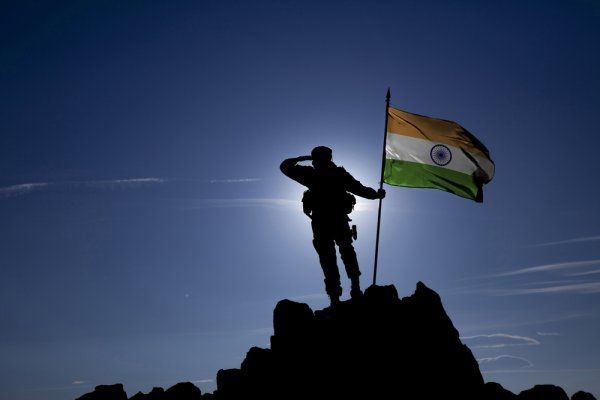
Soldiers, the valiant defenders of a nation’s sovereignty, dedicate their lives to safeguarding the freedoms we enjoy. However, a glaring disparity often persists when it comes to benefits and remuneration for soldiers in lower ranks. These unsung heroes hail from modest backgrounds, leaving their families financially vulnerable. Tragically, in the event of their untimely demise, their loved ones are left grappling with insecurity and lack of support. This article sheds light on the challenges faced by lower-rank soldiers, provides real-life examples of their struggles, and offers viable solutions to bridge this gap, stemming from both governmental and societal efforts.
The Plight of Lower-Rank Soldiers
Lower-rank soldiers often come from marginalized backgrounds, making their entry into the military a means of upward mobility and escape from poverty. Unfortunately, despite their unwavering commitment, they often do not receive the benefits and remuneration that their sacrifices warrant. Their salaries are meager, and many schemes and privileges reserved for higher-ranking officers remain elusive for them. This disparity exacerbates their financial struggles, pushing them further into a cycle of hardship.
In the unfortunate event of a lower-rank soldier’s demise, the plight faced by their families becomes painfully evident. These families, who have already made immense sacrifices, find themselves bereft of financial support. Government schemes for the welfare of soldiers’ families are often insufficient or inaccessible, leaving the bereaved families grappling with economic uncertainty and a lack of resources.
Examples from Real Life
The stories of lower-rank soldiers and their families paint a poignant picture of the challenges they face. One such story is that of Rajesh Kumar, a soldier from a humble background, who lost his life defending the nation. His family, without a steady source of income or adequate support, struggled to make ends meet. Their struggle mirrored the predicament faced by countless other families in similar situations.
Another example is that of Jyoti Singh, a widow of a lower-rank soldier who lost his life while serving the nation. Left with two young children and little financial support, Jyoti’s story reflects the grim reality faced by many families who have lost their primary breadwinners. The lack of robust government schemes or social safety nets leaves these families vulnerable to impoverishment and destitution.
Possible Solutions: Government and Society Collaborative Efforts
- Enhanced Salaries and Benefits: The government can start by revisiting the remuneration packages for lower-rank soldiers, ensuring that they receive fair compensation for their service. Access to medical facilities, education, and housing allowances should be extended to all ranks, fostering a sense of dignity and well-being.
- Comprehensive Family Welfare Schemes: Introducing comprehensive family welfare schemes that cater to the needs of lower-rank soldiers’ families is imperative. These schemes should encompass education, healthcare, and financial support, ensuring that families do not fall into economic hardship in the event of a soldier’s demise.
- Specialized Counseling and Support: Soldiers and their families, especially those from marginalized backgrounds, often face psychological challenges that can impact their overall well-being. The government can establish counseling centers and support networks to address the mental health needs of soldiers and their families.
- Skill Development and Employment Opportunities: To mitigate the challenges of post-service life, the government and society can collaborate to provide skill development programs and employment opportunities for retired soldiers. This will empower them to transition into civilian life more seamlessly.
- Corporate and Philanthropic Engagement: Corporations and philanthropic organizations can play a crucial role in supporting lower-rank soldiers and their families. Scholarships, vocational training programs, and employment initiatives can be established in partnership with these entities.
- Awareness and Advocacy: Raising awareness about the struggles faced by lower-rank soldiers and their families can galvanize public support. Civil society organizations and media can play a pivotal role in advocating for their rights and needs.
- Empowerment through Education: Focusing on education as a means of empowerment, scholarships, and educational grants can be extended to the children of lower-rank soldiers. This not only secures their future but also honors the sacrifices of their parents.
The dedication and sacrifices of lower-rank soldiers form the backbone of a nation’s security and integrity. It is imperative that they receive the respect, benefits, and remuneration they rightfully deserve. The examples of Rajesh Kumar, Jyoti Singh, and countless others underscore the pressing need for change. A collaborative effort between the government, society, and various stakeholders is the key to addressing this pressing issue. By implementing comprehensive welfare schemes, enhancing financial support, and offering opportunities for holistic development, we can ensure that these unsung heroes and their families are not left in the shadows of neglect and uncertainty. It is our collective responsibility to honor their sacrifices and ensure that their service is met with dignity, respect, and unwavering support.

 Bharat Chronicles - Navigating Politics, Heritage and Beyond